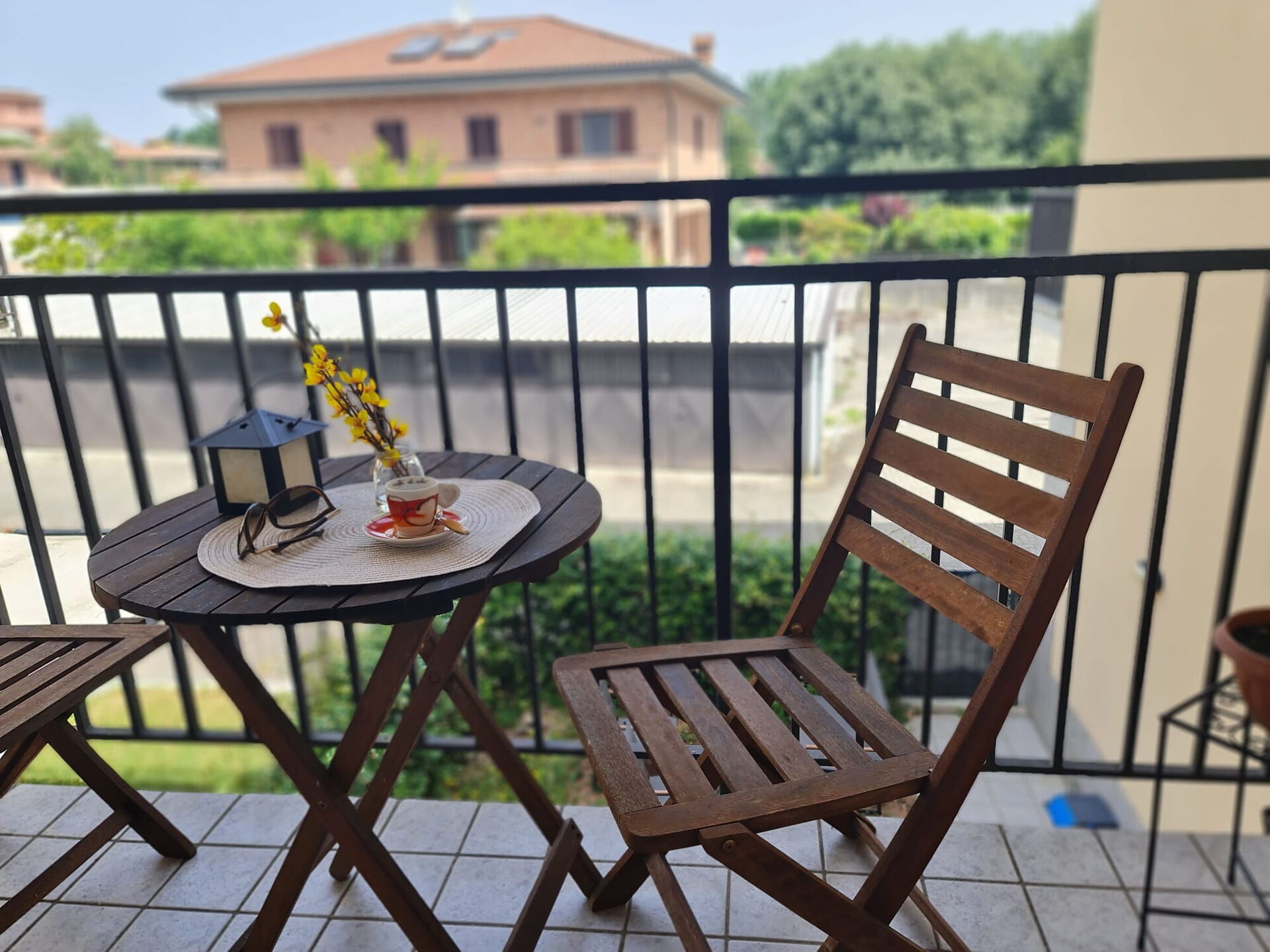
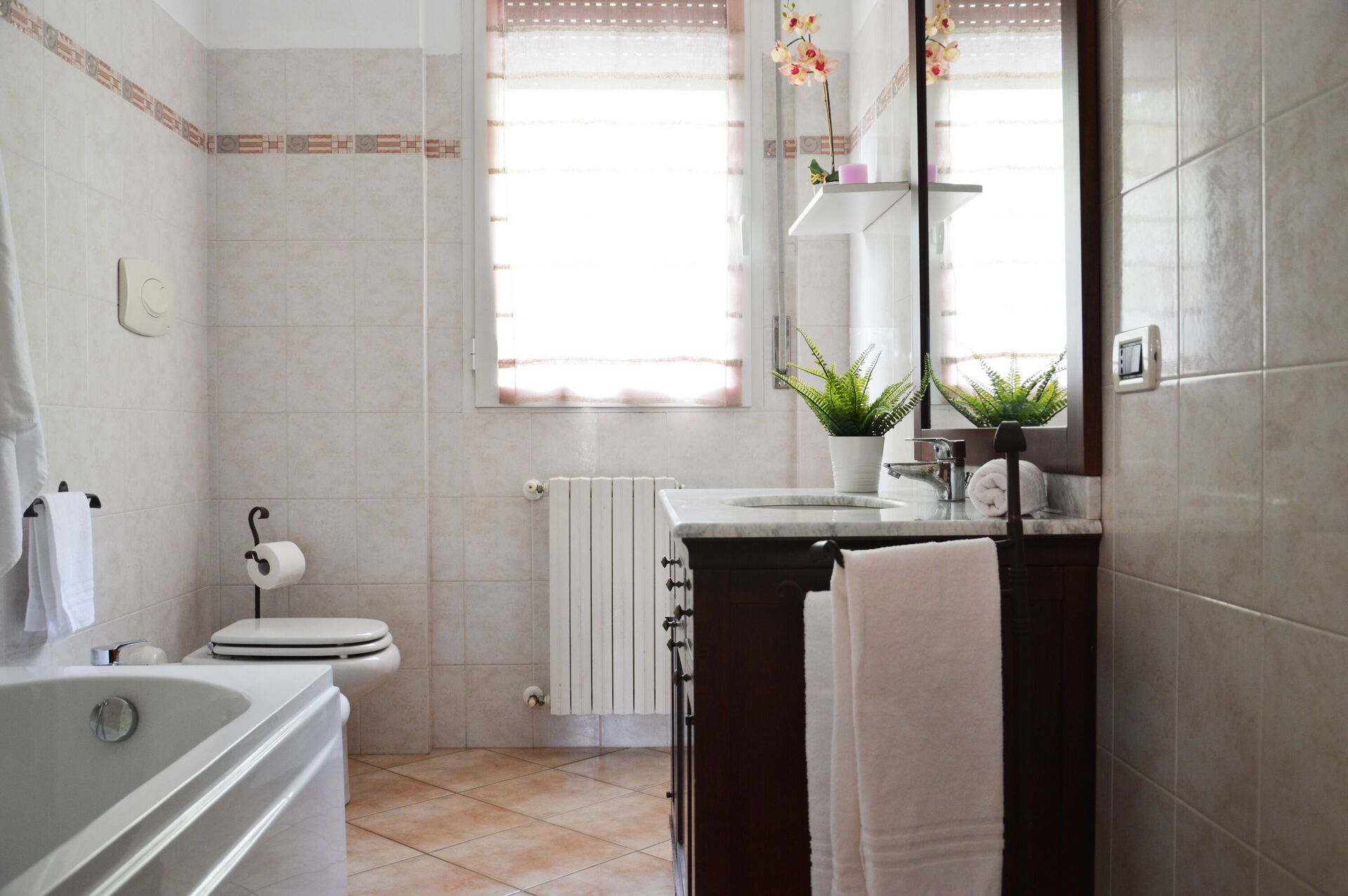
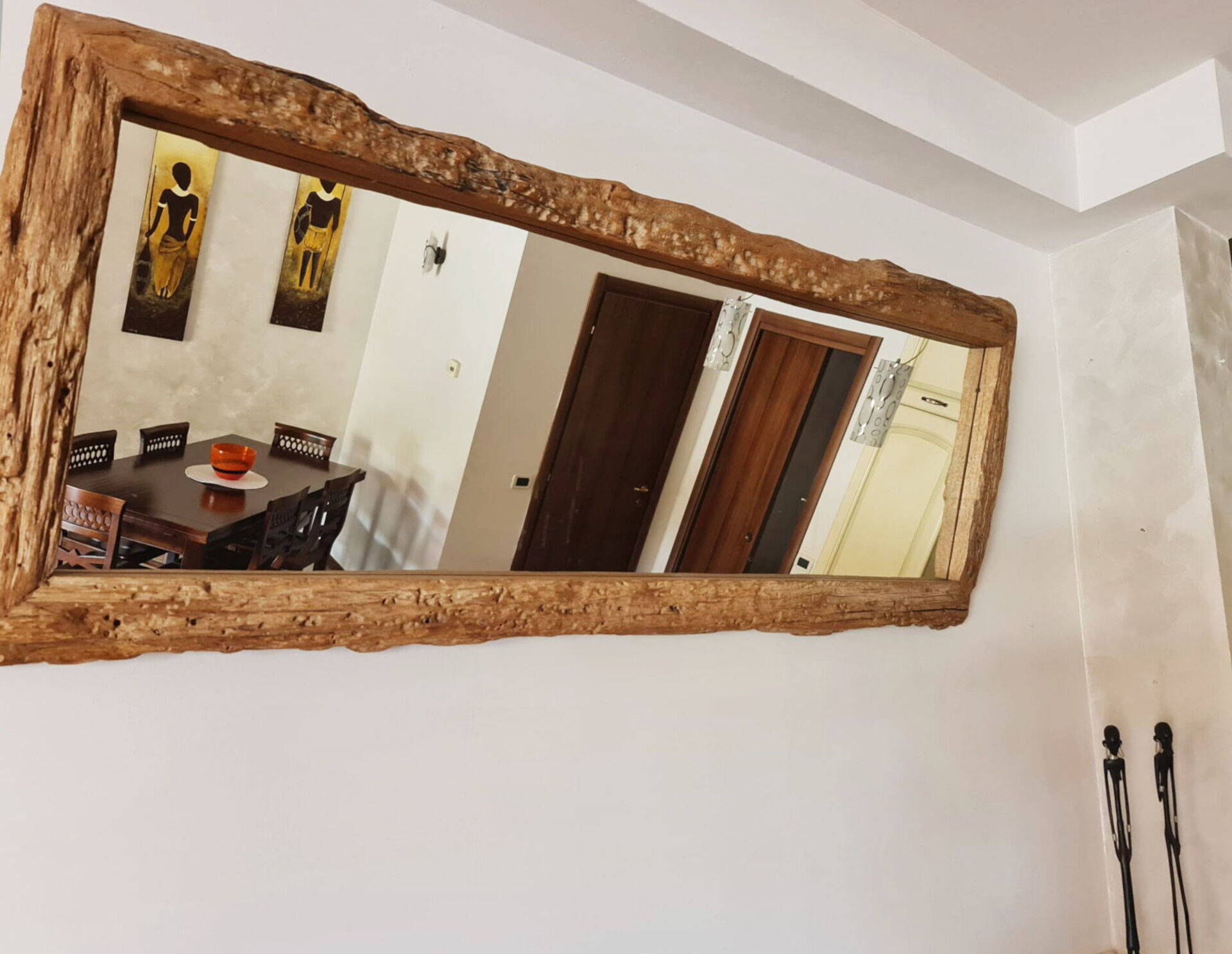
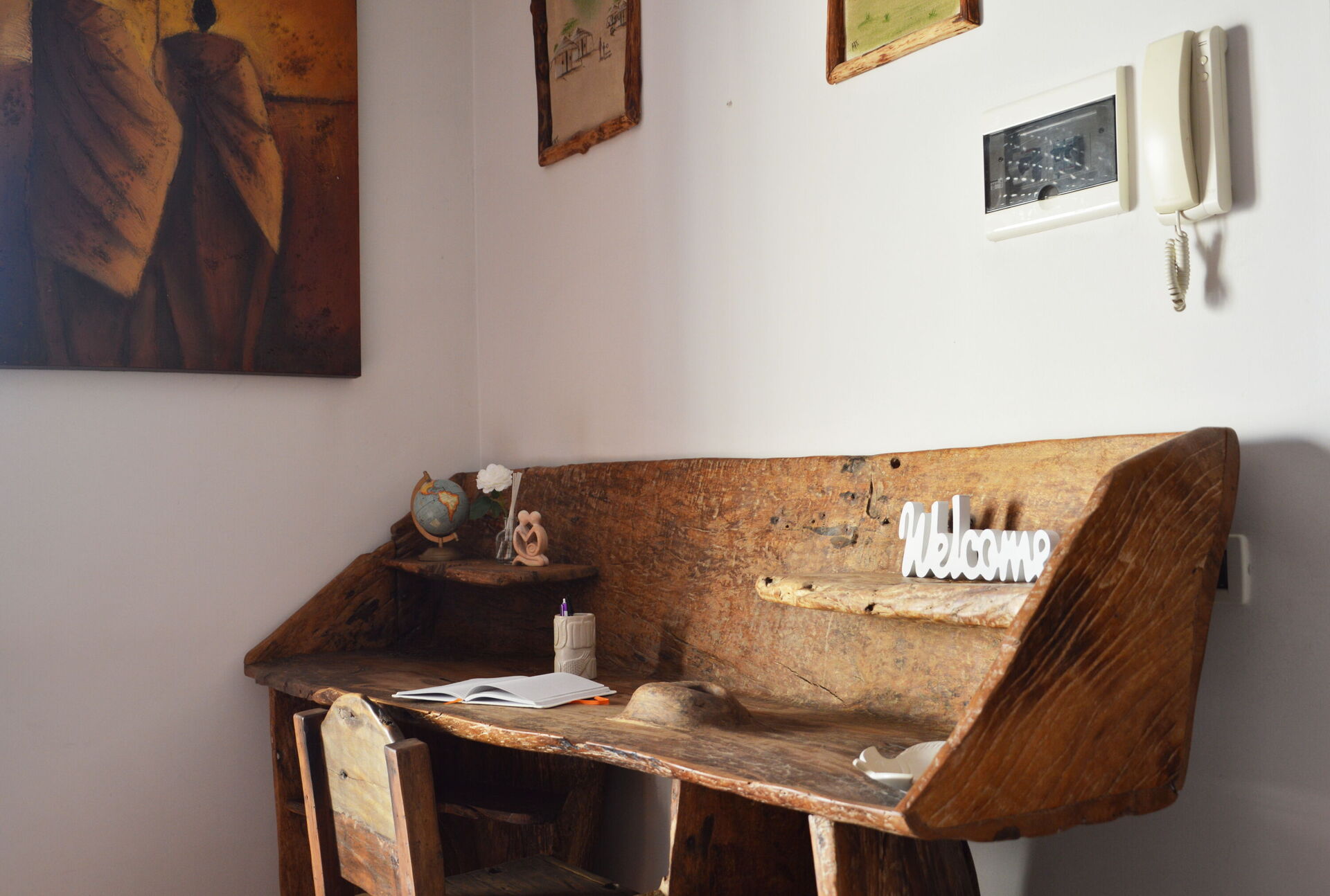
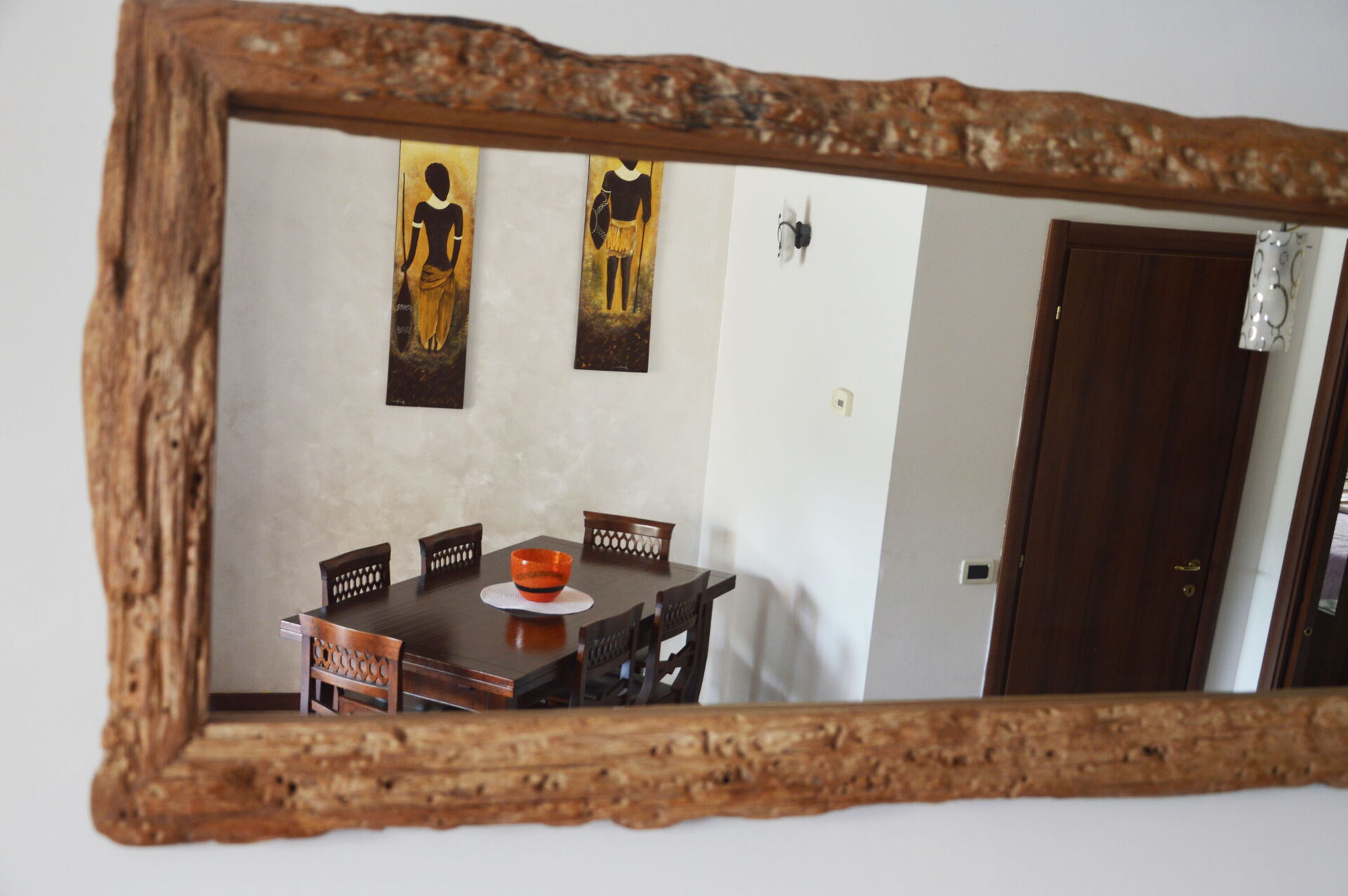
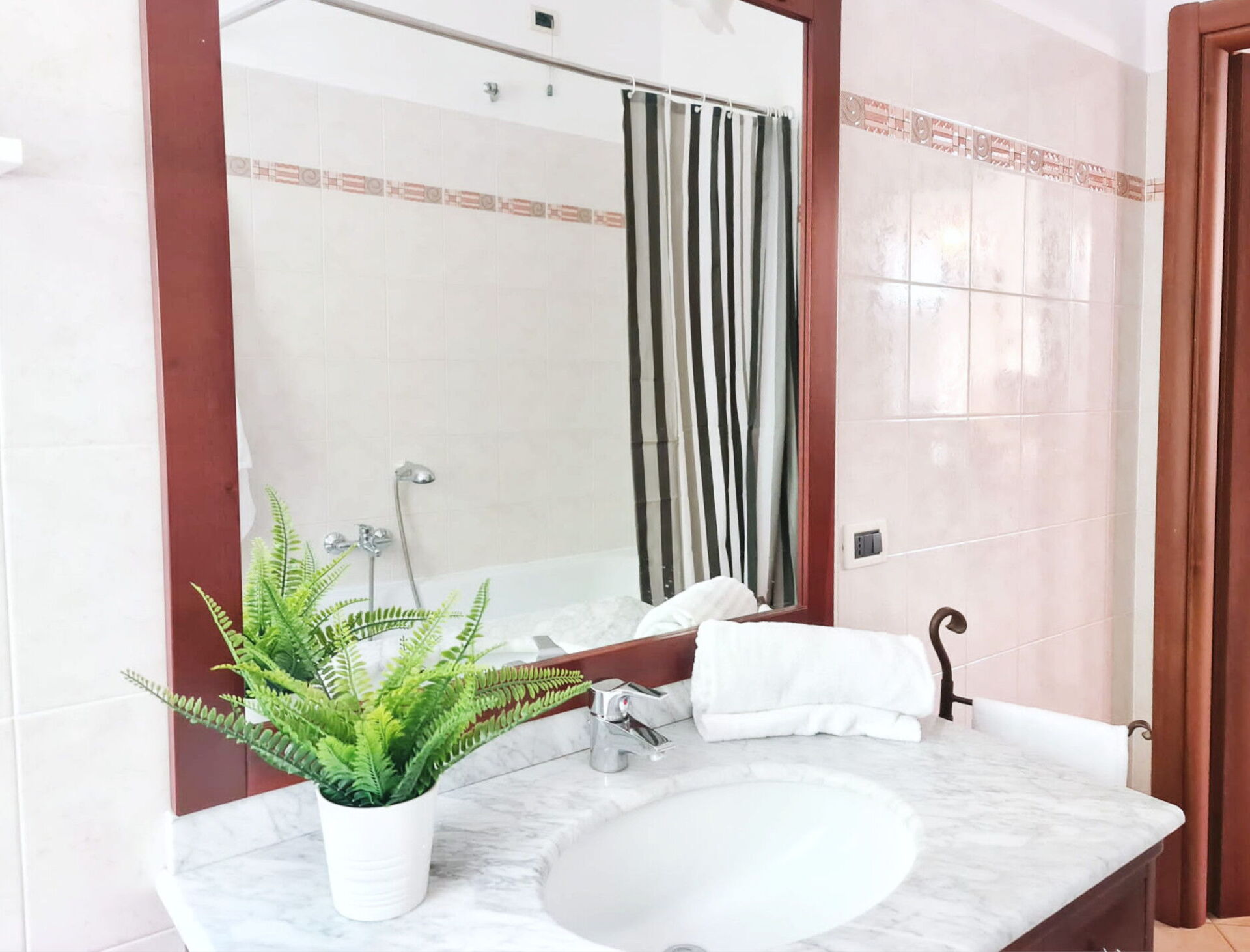
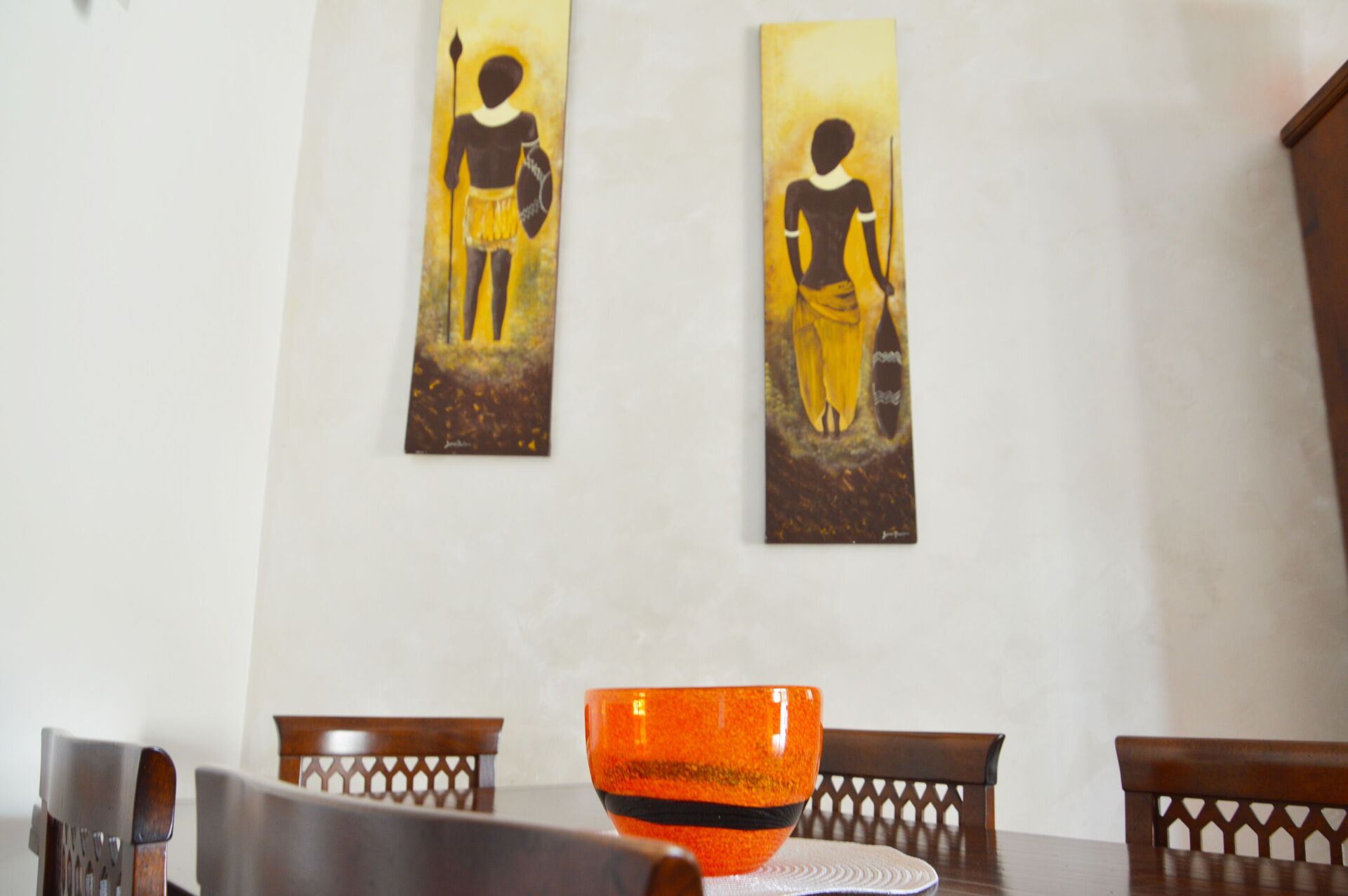
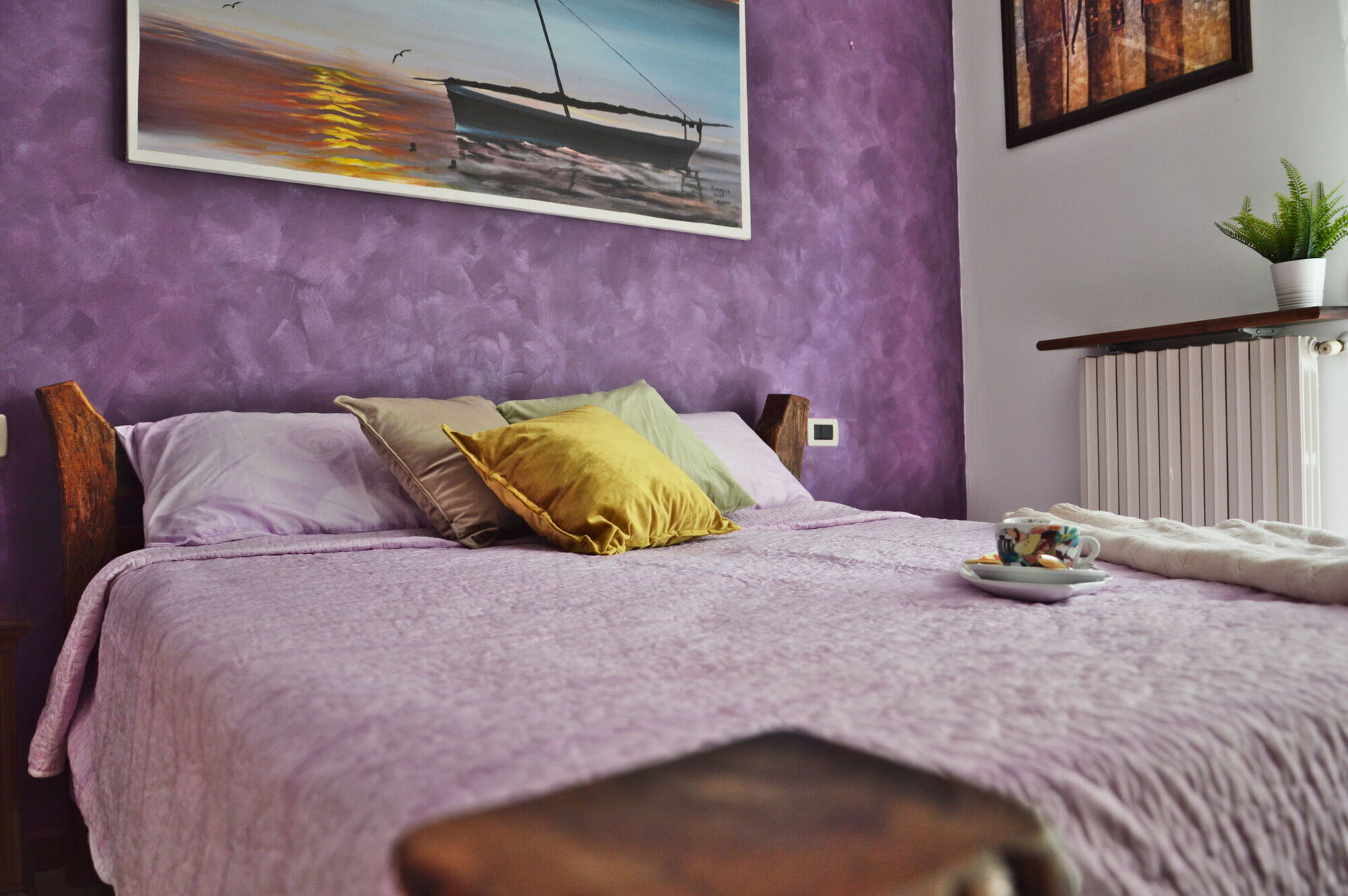
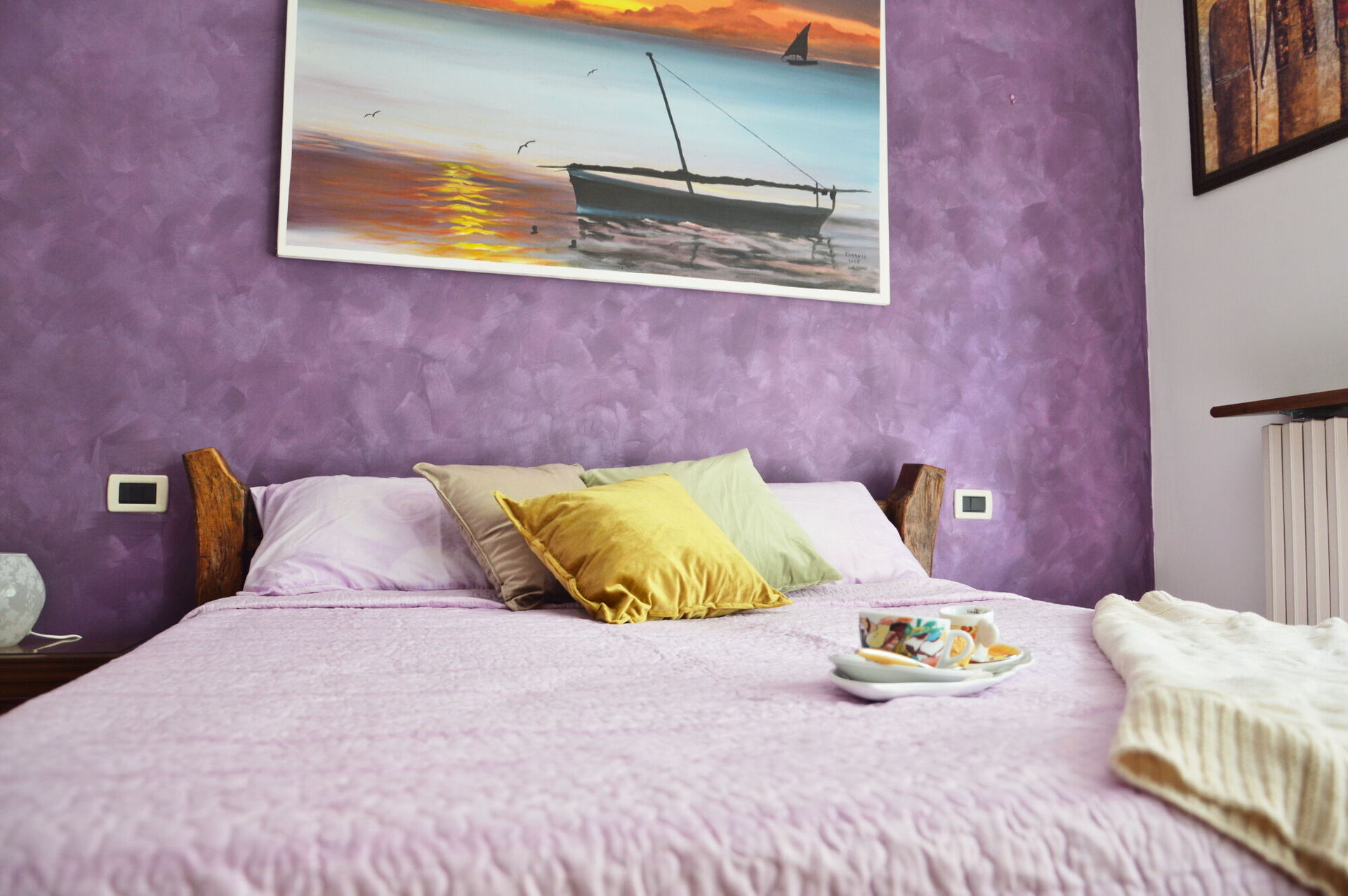
Geweldige vakantiewoning met WIFI, airco, TV, balkon, parking en huisdieren toegestaan
Deze woning is niet meer beschikbaar, maak een nieuwe keuze.
Details
Personen
2
Slaapkamers
1
Badkamers
1
Vloeroppervlak
60 m2
Woningnummer: EAS202213
Faciliteiten
In een dorp/stad
Internet Wifi
Parkeren
Afbetalingsplan
Airconditioning
Huisdieren OK
Horren
Satelliet TV
Verwarming
Beschrijving
Gunstig gelegen 5 km van Pavia (Italië) en slechts 46 km van Milaan. Lilly House is een fijne vakantiewoning (60 m2) met WiFi internet en air conditioning. De woning is comfortabel geschikt voor max. twee personen in een slaapkamer en een badkamer.
Wat Staat U Te Wachten
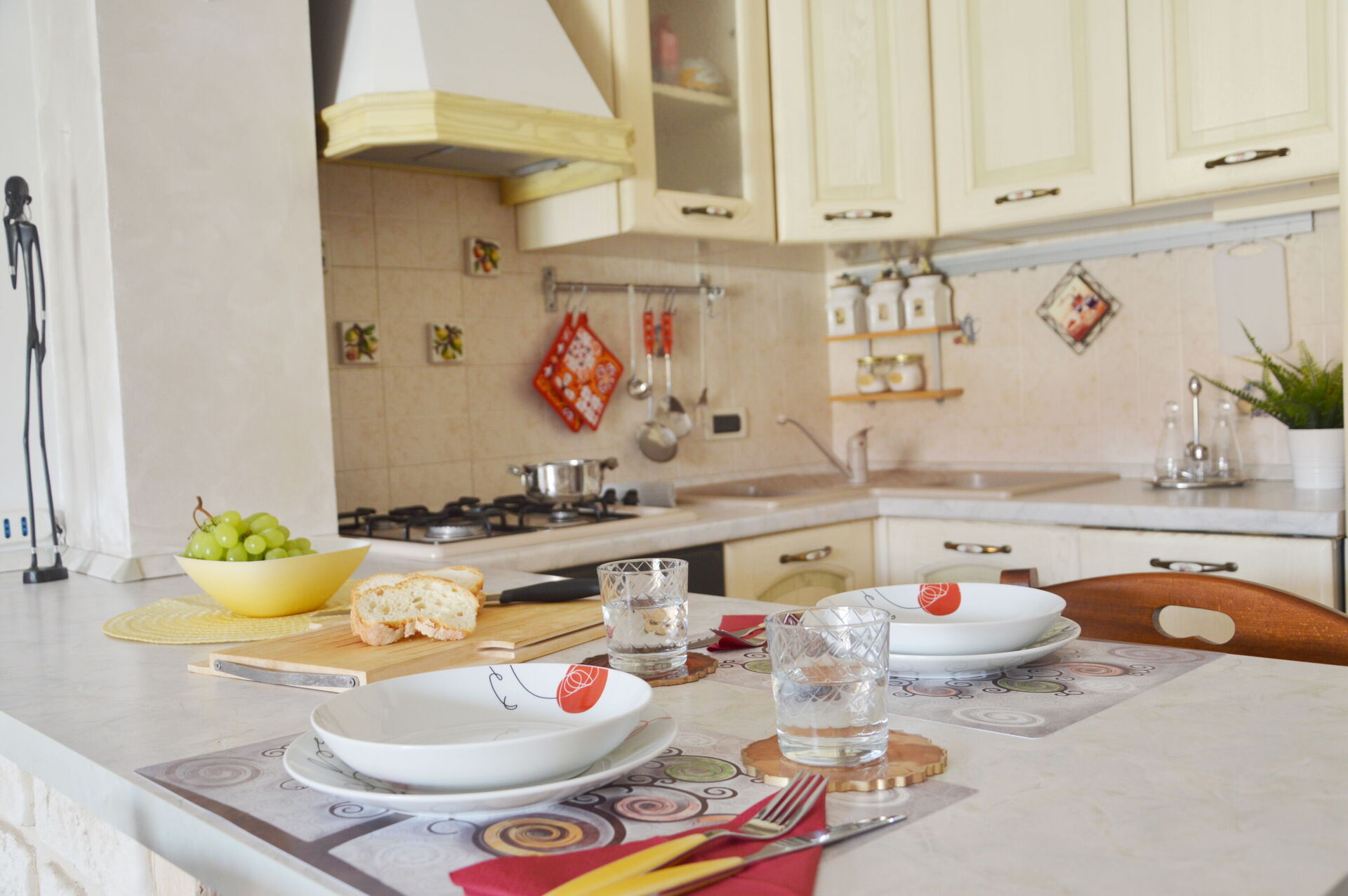
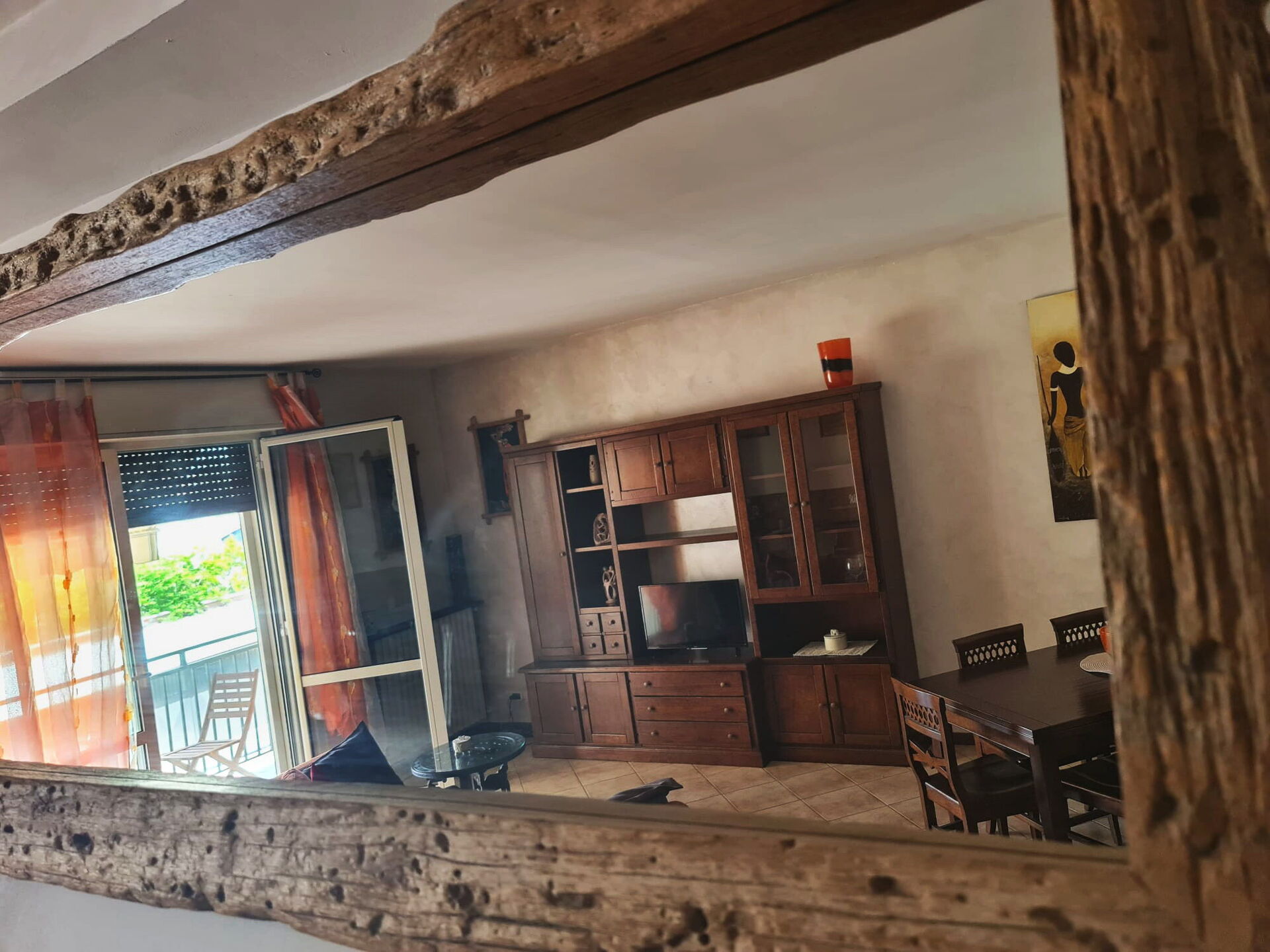
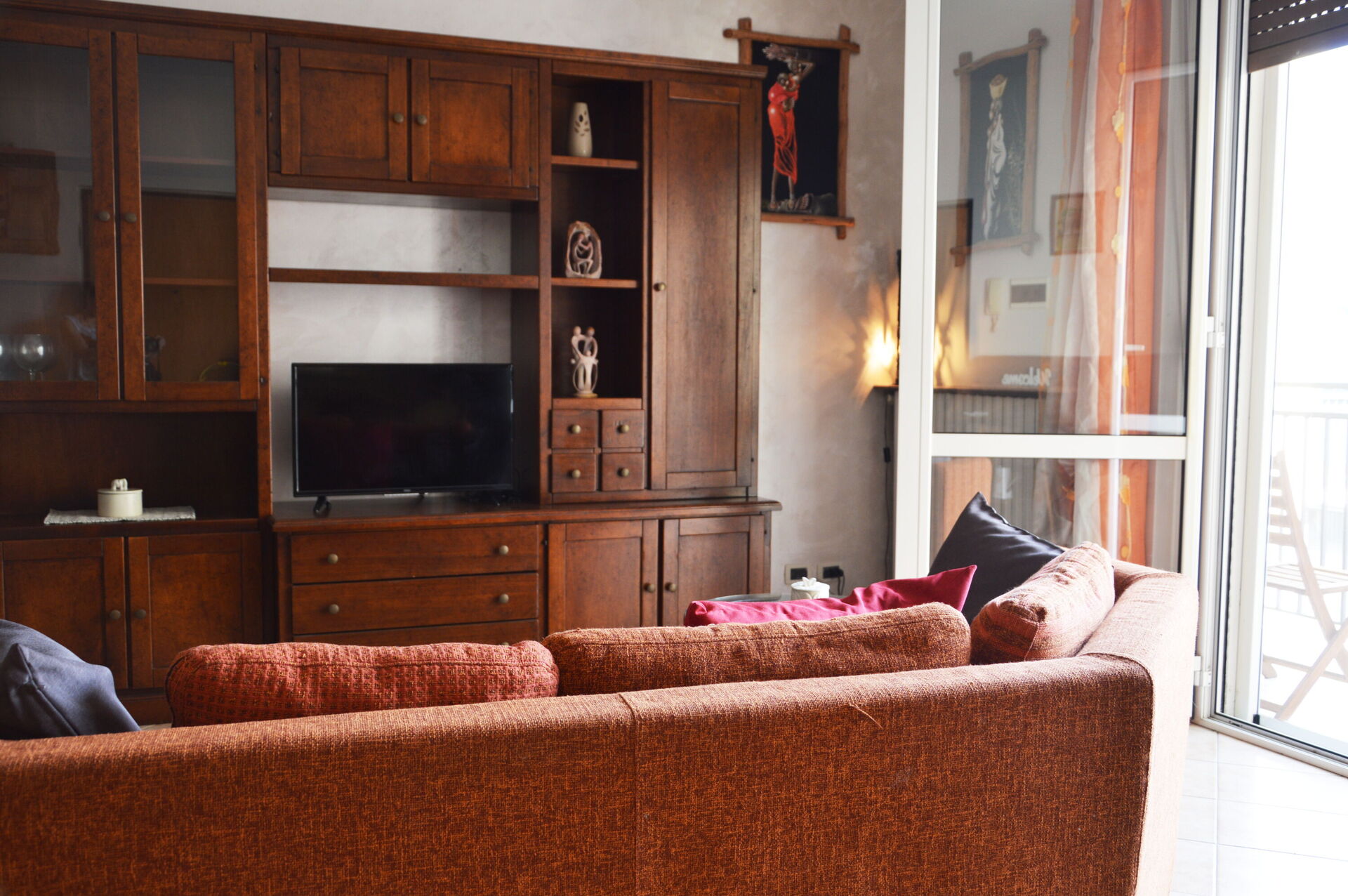
Zodra u aankomt te Lilly House vindt u een mooie, schone en goed onderhouden woning met uitzicht over de stad ideaal voor een rustige vakantie in Lombardije. Een groot voordeel van het huren van een huis, in plaats van meerdere hotelkamers, is de mogelijkheid om samen met familie en vrienden te ontspannen na een drukke dag van rondkijken en toeren. Geniet samen van een maaltijd met een glas lokale wijn om de dag af te sluiten. Als u van koken houdt is er een goed uitgeruste keuken met o.a. koffiezetapparaat, broodrooster, fornuis en ijskast en natuurlijk voldoende servies en bestek voor tot twee personen.
Wat is er te doen in de Omgeving
De meeste mensen houden ervan om dorpen en steden in de streek te bezichtigen terwijl ze op vakantie zijn, dus ter referentie een lijst van populaire plaatsen met de afstanden (hemelsbreed) vanaf de woning: Milaan 46 km, Monza 71 km, Como 90 km, Asti 100 km en Bergamo 102 km.
Een aantal andere belangrijke toeristische bestemmingen zijn: Florence 301 km, Viareggio 261 km, Forte Dei Marmi 249 km, Rome 580 km, Venetië 313 km en Milaan 46 km.
Overige Informatie Huisdieren Welkom - Indien uw huisdier mee gaat op vakantie is dat geen probleem te Lilly House. Indien u een grote hond heeft of meerdere huisdieren, vraag ons dan voor toestemming alvorens te reserveren.
Dichtstbijzijnde Luchthavens (afstanden hemelsbreed): Milano (Lin) 56 km, Milano Malpensa (Mxp) 90 km, Bergamo (Bgy) 105 km, Genova (Goa) 130 km en Torino (Trn) 184 km.
Klik op een Plaats van Interesse uit de lijst om ze op de kaart te bekijken
NP's in de omgeving van de woning(Afstanden hemelsbreed)
Vliegvelden
Milano (Lin), 55.7 Km
Toeristische Attracties
THE PAVIA TERRITORY.
From the courtyards of his University passed Ugo Foscolo and Alessandro Volta. On the streets of Oltrepo', Albert Einstein. Pavia is wisdom, pride and tradition. In Pavia every place is a story. A Romanesque church welcomes the remains of Saint Augustine. The Basilica saw the coronation of Frederick Barbarossa as King of Italy.
Memory and tradition have not trapped the city. It is enough to walk between the galleries and the courtyard of the Magnolias of the University founded in 1361 by the Emperor Charles IV, one of the oldest in Italy, to breathe together history, science and avant-garde. It happens in the Teresian Hall of the Library, in the classrooms of Foscolo and Alessandro Volta, as well as inside the Historical Museum and the Botanical Garden, with the orchid greenhouse and a large secular plane tree.
In the city, you can discover the Civic Museums inside the Visconti Castle, and the Ponte della Libertà, to be observed at night when the arcades are colored blue, yellow and fuchsia neon artist Marco Lodola. The Gothic Ark of the '300 where Saint Augustine rests is preserved in San Pietro in Ciel d'Oro. Barbarossa was instead crowned inside the Basilica of San Michele Maggiore.
Another pearl not to be missed is the Church of San Teodoro built in the second half of the twelfth century to accommodate the remains of San Teodoro, ancient bishop of Pavia and patron of fishermen, boatmen and traders who lived in this area of the city.
Inside there is a beautiful fresco by Bernardino Lanzani of 1525 depicting a detailed view of Pavia still full of dozens of high medieval towers, in which you can easily recognize the castle, the bridge, the Regisole and many churches still existing.
The Basilica of San Michele, Masterpiece of the Lombard Romanesque architecture, the basilica has a grandiose three-nave plan, surmounted by the tiburium, and is decorated with a rich decorative apparatus of which are examples of the sculptures of the facade, reliefs and zoomorphic bands, the frames to turnips and plant shoots.
The present building was built on the previous Lombard church and served as the seat of the royal coronation ceremonies: here Federico Barbarossa was crowned in 1155.
The interior is adorned with capitals carved with stories of the Bible and allegorical figures and has a crypt of great suggestion.
It houses on the presbytery the floor mosaic depicting the "Months" and the "Labyrinth" and, in the transept, the crucifix called Theodote, silver foil masterpiece of a master goldsmith active in northern Italy in the second half of the tenth century.
If you still don’t know if it’s worth leaving, here are 10 good reasons to visit Pavia and the Oltrepò:
1. Einstein lived here
Did you know that even Einstein stayed in Pavia? In 1894 his parents moved to the city to Palazzo Cornazzani - the former home of Ugo Foscolo - and the scientist spent some months walking in the Oltrepò and cycling along the Ticino.
2. It is the city of knowledge
Not everyone knows that Pavia boasts one of the oldest universities in Europe. To learn about its history, visit its museums: the Museum of Natural History, the Museum of Electrical Technology, the Museum of Mineralogy, the Botanical Garden and the Museum for the History of the University. The latter houses the Sala Scarpa dedicated to the famous anatomist, the Sala Porta with finds and experimental preparations made by the surgeon in the nineteenth century, the Sala Golgi, dedicated to the Nobel Prize winner Camillo Golgi, the Sala Volta, reserved for the inventor of the battery and the nineteenth-century physics cabinet.
3. Its churches are unparalleled
There is the fifteenth-century Duomo with the relics of the Holy Thorns of Christ, the remains of San Siro, protector of Pavia, and the rich paintings of Carlo Sacchi. But there is also the Church of San Pietro in Ciel d'Oro, known because it houses the remains of Severino Boezio, King Liutprando and Saint Augustine, doctor of the Church: its ark is one of the most beautiful monuments of the Gothic fourteenth century. Do not miss San Michele Maggiore, from 1118, and the church of Santa Maria in Betlem, in the village of Ticino, also known as the "house of Santa Maria della Stella".
4. His shoes are museum shoes
Just visit Vigevano to discover the International Footwear Museum, which exhibits both ancient models, both those that have made the most recent fashion history. From Beatrice d'Este’s Pianella to the creations of Manolo Blahnik, a space not only for lovers of the heel 12, but for all those who want to deepen the evolution of costume and craftsmanship of Vigevano.
5. It is a bubbly land...
Explore Oltrepò Pavese to discover the most famous wineries. Because yes, Pavia is also a land with an ancient wine vocation and here you can taste various nectars: from red to sparkling rosé, from Bonarda to Barbera to perfumed Riesling, from Muscat to Malvasia, from Cabernet to Pinot Noir, for a total of 36 different types, all DOC.
6. It has some of the most beautiful villages in Italy
Not only excellent wines. In Oltrepò there are some of the most beautiful villages in Italy: Fortunago, Zavattarello and Porana. All three guarantee evocative atmospheres, monuments rich in history and excellent typical dishes. Also worth a visit is Varzi, where a delicious DOP salami is produced.
7. Indoor walking tours
The covered bridge of Pavia, which surmounts the river Ticino, is one of the symbols of the city. What we see today is the reconstruction of the ancient fourteenth-century bridge, seriously damaged during the bombings of the Second World War, so much so that the old pylons are still visible in the waters of the river. Open to both car traffic and pedestrians, it has a plaque dedicated to the 50th anniversary of the death of Albert Einstein, which bears a phrase written by the scientist in his letter: "Die schöne Brücke in Pavia habe ich oft gedacht" ("I often thought of that beautiful bridge in Pavia").
8. Its theatre is a small gem
It is thanks to the efforts of four nobles from Pavia, Count Francesco Gambarana, Marquis Luigi Bellingeri Provera, Marquis Pio Bellisomi and Count Giuseppe Giorgi di Vistarino, that Pavia can boast today a splendid theatre. The works began in 1771 and ended in 1773, showing everyone a masterpiece: the Fraschini theatre, designed by Antonio Galli Bibiena. With its typical horseshoe shape, it is embellished with a series of boxes and a painted wooden ceiling. Artists such as Renzo Ricci, Cesco Baseggio, Vittorio Gassman and Dario Fo, have walked his scene.
9. It is the capital of rice
With about 80 thousand hectares entirely dedicated to rice fields, Pavia is the Italian capital of rice. The plain that stretches between Lomellina and Pavese looks like a large mirror that reflects the sky and landscapes: fascinating, dotted with farmhouses, rich in tradition and history, this land will conquer not only taking you by the throat.
10. The Charterhouse of Pavia
Immersed in the countryside around Pavia, a few kilometers from the city center, you will find before your eyes one of the greatest Italian masterpieces of the Renaissance: the Certosa di Pavia.
The monastery was built by Gian Galeazzo Visconti as a family chapel, connected to the castle through the Visconti Park. Construction began on 27 August 1396 and it was Gian Galeazzo himself who laid the first stone.
The church was covered by Francesco Sforza in 1462, while the large cloister, consisting of terracotta arches supported by marble columns, was finished in 1472. The facade of the Certosa is decorated with a series of medallions depicting characters - historical or legendary - of antiquity.
Higher up are the scenes of the life of Christ and the Old Testament and figures of Saints and Prophets. Entering the church you will notice the original Gothic structure, inspired by the Duomo of Milan, its three naves are covered with cross vaults decorated with starry skies and figures of Saints and Carthusians. The frescoes dedicated to the Sforza and Visconti families are in the left transept.
The Certosa di Pavia opened its museum to the public for the first time in 1911. On the ground floor of the Certosa Museum are exposed about 200 plaster casts of the reliefs of the facade, the cloisters and other parts of the monastery. On the first floor there are vestments, sculptures, altarpieces, panel paintings, marble high reliefs and portraits of the Visconti and the Sforza.
PAVIA'S CASTLES
Pavia is a province rich in history and the presence of many castles in its territory proves it. The most important tourist destination is the Visconteo di Pavia, protected by a moat. Built by Galeazzo Visconti, it is not only home to museums, but also boasts beautiful rooms that still preserve precious frescoes of the Visconti and Sforza ages.
In Pavia, cultural tourism takes you outside the city limits to the Sforza Castle of Vigevano, located in the upper part of the city. Beautifully preserved, it fascinates with the Garden and the Loggia delle Dame and the International Footwear Museum, set up on the first floor.
Among the other castles not to be missed stands out Belgioioso that, unlike the first two, shows itself as an imposing aristocratic residence, surrounded by neoclassical gardens. It was restored in the seventies and today hosts cultural events and events. Continuing along the Via Francigena, we meet the majestic castle of Chignolo Po, one of the most sumptuous manor houses of the country, so much to be known as the "Versailles of Lombardy".
Come and visit the castles of Lombardy and discover the military architecture and fortresses of Pavia: each of them has stories to tell.
THE "VIA FRANCIGENA"
The Via Francigena, the route that led pilgrims and crusaders from France to the Holy Land via Rome, is a candidate to become a UNESCO World Heritage Site. An important news for its ability to enhance the historical, cultural and landscape heritage of the territories that crosses this historic route.
The Italian section of the Via Francigena is about 945 km long and Pavia is one of the stops that the pilgrim must touch along his journey.
There are 4 stages of the Via Francigena in the province of Pavia: from Robbio to Mortara (14 Km), from Mortara to Garlasco (20Km), from Garlasco to Pavia (24 Km) and from Pavia to Santa Cristina (28 Km). Going through them also means taking a journey through Romanesque and Gothic art, of which there are significant testimonies.
From Robbio to Mortara
Very short stage that crosses the green meadows of Lomellina, cultivated with rice.
Of note is the church of San Valeriano in Robbio, a fundamental stop on the 11th century Via Francigena because it offered hospitality to papal and imperial messengers and the Abbey of Sant'Albino in Mortara which in the Middle Ages became a spiritual stopover for pilgrims heading to Rome and still today the abbey offers hospitality in the structure used as a hospital.
From Mortara to Garlasco
Leaving the Abbey of Sant'Albino, a journey begins between fields and woods that crosses Remondò and Tromello, a stop on the Sigerico itinerary. Arrival point in Garlasco at the Church of S. Maria Assunta.
From Garlasco to Pavia
From Garlasco and from the Sanctuary of the Madonna della Bozzola and from nearby Gropello Cairoli, continue to Bereguardo and Zerbolò through a suggestive itinerary in the Ticino Park; just outside the town you can discover the countryside, rice paddies, herons, woods and a charming road along the bank.
Just let yourself be guided by the river to conquer Pavia, where it is worth staying a little longer to visit its churches.
From Pavia to Santa Cristina
The last stage is the most rural; it runs along the Pavia countryside that embraces Santa Cristina and Bissone, where pilgrims can find hospitality by contacting the parish. In addition to the hostel, where Sigerico probably stayed overnight, there was an abbey where Corradino di Svevia also stayed. At the Municipal Palace it is possible to visit the Farmer's Museum of the Bassa Pavese.
The itinerary then passes through Linarolo, stops at the 14th century Castle of Belgioioso and at the oratory of San Giacomo della Cerreta, where the church dedicated to the saint of the same name was a meeting point for many pilgrims, stops at the Castle of Spessa Po and the sixteenth-century one of San Zenone al Po – birthplace of the famous Gianni Brera – to finally follow the embankment of the Po and the Lambro and arrive in Lambrinia, a hamlet of Chignolo Po. Here the Via Francigena resumes its route along the Lodi stretch of the Itinerary of Sigeric.
Openbaar Vervoer
City bus 800 mt San Martino Siccomario
bus stop at 200 mt
Het Laatste Avondmaal, een van de beroemdste meesterwerken van da Vinci en een van de meest herkenbare schilderijen in de geschiedenis van de moderne wereld, bevindt zich op een muur in de refter van het klooster van Santa Maria delle Grazie in Milaan. Ondanks de rampzalige experimentele methode die werd gebruikt bij het maken van het werk, de verstreken tijd, de schade toegebracht tijdens de Tweede Wereldoorlog en de ontoereikende restauratiepogingen in de 19e eeuw, blijft dit iconische muurschildering bestaan en is het echt een must-see zolang het nog kan.
In de 20e eeuw werd een uitgebreid restauratieproject van 22 jaar ondernomen om het schilderij te redden, wat uiteindelijk in 1999 werd afgerond. Hoewel deze inspanning heeft geholpen om de levensduur van het kunstwerk te verlengen, is de schade nog steeds zeer ernstig te noemen. Desondanks blijven bezoekers massaal komen om dit boeiende en prachtige werk te zien, waarbij velen keer op keer terugkomen. Als je een vakantiehuis in Milaan hebt geboekt of zelfs als je maar één dag in Milaan hebt tijdens je vakantie in Italië, is een bezoek aan Het Laatste Avondmaal absoluut een must, maar dit is wat je beslist moet weten als je van plan bent om te gaan...
Wanneer ik op vakantie ga, is een van de eerste dingen die ik doe het opzoeken van de meest aparte, interessante en leukste plekjes om te eten en drinken op de desbetreffende locatie. Je bent op vakantie, dan is het tijd om jezelf lekker te verwennen en unieke dingen te beleven; zodoende is de locatie bijzonder belangrijk. Sterker nog, vaak plan ik mijn gehele dag rondom cafeetjes en restaurants die ik eerder zorgvuldig heb uitgekozen. Met name cafés zijn zeer belangrijk om je vakantie tot een succes te maken, hier haal je namelijk je eerste koffie van de dag om even lekker wakker te worden, of om uren lang met een boek te zitten. Cafés zijn de beste plekjes om even te ontsnappen aan het alledaagse en te ontspannen, daarom hebben we een lijst voor je samengesteld met de leukste cafés ter wereld, perfect voor dat lekkere bakkie of voor een lekkere snack, om er foto's te maken voor op je Instagram pagina, maar ook om de buitenwereld even helemaal te vergeten. Bekijk de volgende cafeetjes en zoek ze zelf op...
Ontworpen door de beroemde regisseur Wes Anderson, Milan's Bar Luce is echt een magisch en chique café dat oogt als een set uit een van zijn films. In bezit van de Fondazione Prada, dit stijlvol pareltje is echt een must voor iedereen die een vakantiewoning in Milan gevonden heeft.
Als je een van onze geweldige villa's in Lombardije boekt en komt genieten van de ongelooflijke schoonheid van deze weelderige en charmante regio van Italië, zijn er allerlei landelijke geneugten en kleine stadjes te verkennen, maar het is ook zeer de moeite waard om naar de hoofdstad van Milaan te gaan voor een dagtocht.
Een stad die gevuld is met uitstekende musea, prachtige restaurants, chique bars, architectonische pareltjes in overvloed, en nog veel meer, maar velen zullen het voornamelijk kennen als een belangrijke modieuze hoofdstad van de wereld en een belangrijke bestemming om die kenmerkende Italiaanse stijl op te zoeken en mee naar huis te nemen. Echt, voor winkelen is het een moeilijke plek om te verslaan!
Leonardo da Vinci bracht vele jaren door in Milaan, waar hij werkte onder hertog Ludovico Sforza. Hij schilderde, ontwierp praalwagens en optochten voor speciale gelegenheden, creëerde ruitermonumenten voor de stad en meer. Zijn invloed is daarom nog steeds voelbaar op verschillende plekken in de stad, en degenen die een villa in Lombardije boeken en Milaan bezoeken, of degenen die een vakantiehuis in Milaan boeken en een voorliefde hebben voor alles wat met Leonardo en de Renaissance te maken heeft, zullen veel boeiends ontdekken, van musea tot kunstwerken. De meest unieke herinnering aan Leonardo die vandaag de dag in de stad te vinden is, moet toch echter wel Leonardo's Wijngaard zijn.
Hou je van Taylor Swift? (Wie niet?!) Ga je naar een van haar Europese optredens? Waarom maak je er niet echt een reis van door een geweldige villa in Europa te boeken om te genieten van een uitje voor en na de intense opwinding van het concert!
We hebben veel geweldige accommodaties om uit te kiezen in heel Europa, maar als je specifiek een Taylor Swift-reis boekt, zijn hier onze accommodaties die aansluiten bij sommige van de stops langs haar Eras Tour-data voor 2024...